

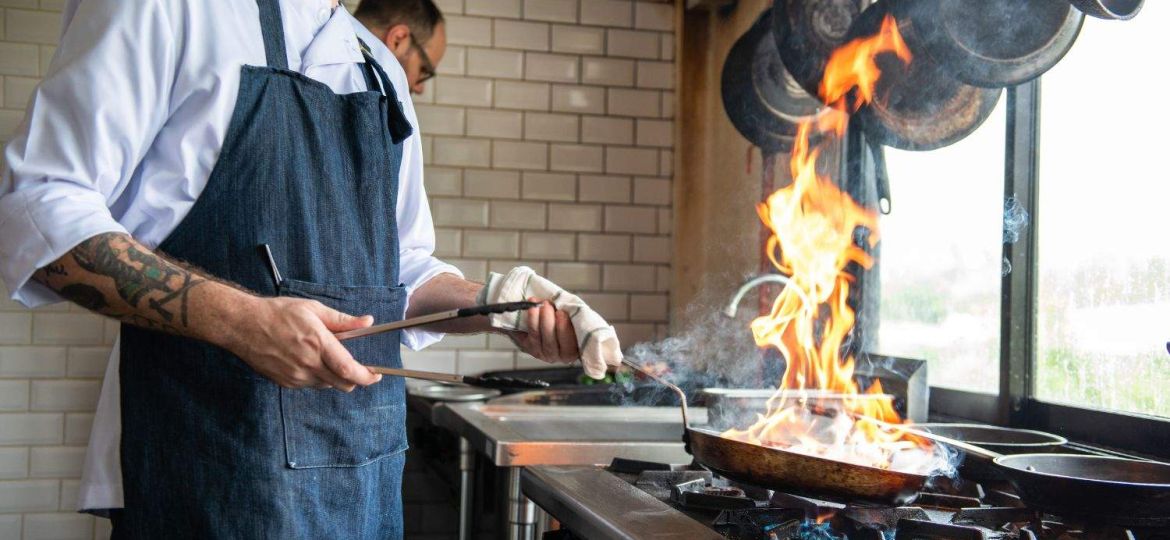
Operating a commercial kitchen means more than preparing great food—it also means maintaining a safe kitchen exhaust system that helps protect your employees, customers, and property from fire hazards. One of the most important standards governing commercial kitchen fire safety is NFPA 96, which establishes requirements for the inspection, cleaning, and maintenance of commercial kitchen exhaust systems.
Since 2010, commercial kitchens throughout Southern California have trusted SoCal Hoods to help keep their kitchen exhaust systems professionally maintained and compliant with applicable fire code requirements. Whether you operate a single restaurant or manage multiple locations, understanding NFPA 96 is essential to protecting your business and preparing for fire inspections.
What Is NFPA 96?
NFPA 96 is the National Fire Protection Association’s standard for ventilation control and fire protection of commercial cooking operations. It establishes guidelines for the design, inspection, operation, cleaning, and maintenance of commercial kitchen exhaust systems.
As cooking equipment produces grease-laden vapors, grease accumulates inside the hood, ductwork, and exhaust fan. If not removed regularly, these deposits become a significant fire hazard. Routine professional kitchen exhaust cleaning helps reduce this risk while supporting compliance with local fire codes and insurance requirements.
It’s also important to remember that local fire authorities determine required cleaning frequencies, and those requirements may exceed the minimum recommendations outlined in NFPA 96.
Key NFPA 96 Requirements Every Restaurant Owner Should Know
Every restaurant owner should understand these core requirements to remain compliant:
- Restaurant Owners Are Responsible for Compliance: Restaurant owners and operators are ultimately responsible for maintaining their kitchen exhaust systems in accordance with applicable fire codes and NFPA 96. While inspections are important, ongoing maintenance remains the responsibility of the facility.
- Cleaning Frequency Depends on Your Operation: There is no one-size-fits-all cleaning schedule. Required cleaning frequency depends on cooking equipment, cooking volume, fuel type, grease production, and requirements established by your local fire authority. Kitchen exhaust systems should be cleaned by trained and qualified professionals familiar with NFPA 96 requirements and local code enforcement.
- The Entire Exhaust System Must Be Cleaned: A complete kitchen exhaust cleaning includes the hood canopy, interior ductwork, exhaust fan, grease collection areas, and accessible portions of the entire exhaust system. Properly installed access panels allow technicians to inspect and clean hidden sections of ductwork.
- Proper Equipment Matters: Commercial cooking equipment that produces grease-laden vapors typically requires a Type I kitchen exhaust hood. Most commercial kitchen exhaust systems utilize UL-listed baffle filters rather than mesh-style grease filters because they provide more effective grease removal and improved fire protection.
- Documentation Is Essential: Restaurant owners should retain service invoices, inspection reports, before-and-after photographs, Service Inspection Reports, and hood certification stickers. Fire officials or insurance representatives may request documentation during inspections.
Professional Reporting That Supports Compliance
Depending on each customer’s reporting requirements, SoCal Hoods provides Service Inspection Reports, before-and-after photographs, and documentation through platforms such as ServiceTrade, ServiceChannel, EcoTrak, and other customer-required systems. Customers typically receive their reports within one to two business days after service.
More Than Hood Cleaning
During service, SoCal Hoods inspects exhaust fan operation, access panels, grease containment systems, fan belts, bearings, hood components, and other visible deficiencies that may require repair. If repairs are needed, our repair division can provide corrective recommendations.
A Commitment to Quality
At SoCal Hoods, we take pride in providing reliable, professional hood cleaning service backed by experienced technicians, detailed reporting, and responsive customer support. We stand behind the quality of our work and promptly address any concerns should they arise.
Schedule Your Next Kitchen Exhaust Cleaning
Keeping your kitchen exhaust system professionally maintained is one of the most effective ways to reduce fire hazards, support code compliance, and protect your business. Contact SoCal Hoods online today or call (844) 847-0229 to schedule your next commercial kitchen exhaust cleaning and inspection.
Image Credit: Rawpixel.com // Shutterstock